Download the full playbook here
TL;DR: The 2026 Mandate — Decision Velocity and Execution Intelligence
In 2026, supply chain excellence is defined by decision velocity: the ability to turn volatile conditions into prioritized, explainable actions every single day. As inventory is increasingly treated as cash rather than a safety buffer, manufacturers must overcome "hero culture" by implementing standard work and explainable AI. By shifting from manual data reconciliation to daily execution rhythms, organizations can increase their capacity without adding headcount, transforming the supply chain into a high-speed business profession.
The 2026 Supply Chain Playbook: A Practical Guide to Daily Execution
The primary challenge facing discrete manufacturers in 2026 is not a lack of strategy, but a gap in execution speed. In an environment where dashboards multiply and data arrives from every direction, the goal is to achieve execution intelligence—the capability to filter out noise and focus on actions with real financial and customer impact.
Three Realities Shaping 2026
The current manufacturing landscape is defined by a collision of financial pressure and labor constraints:
- Inventory as Cash: Manufacturers are pulling back inventory buffers to reduce financial exposure, moving away from "comfort" stock toward intentional, ROI-based buffers.
- Skills as the Constraint: Competition for skilled labor remains intense, making workforce upskilling and the reduction of repetitive tasks the fastest path to better execution.
- Operational AI Pressure: Leadership is pushing for automation, but trust remains the primary barrier; AI that cannot be explained simply at the plant level will face abandonment.
The Decision Velocity Mandate
Traditional operating models often waste the first half of the day on data reconciliation and debating priorities. The 2026 model demands that priorities are ready at the start of the day, exceptions are ranked by impact, and actions are tied to clear owners. This "decision velocity" removes friction, allowing teams to react quickly to manage cash and escape reactive mode.
Explainable AI and the Trust Layer
To move from experimentation to impact, AI must be "explainable". A buyer or planner should be able to understand what action is recommended and why, using what specific data, in under 60 seconds. Without this transparency, teams default to manual overrides and spreadsheets. High-performing teams start with assisted decision-making, offloading repetitive work while maintaining intentional guardrails.
The Five Pillars of Modern Execution
Scaling execution across multiple sites requires a standardized operating model:
- Unified Data View: Operating as one company by harmonizing parts, supply, and demand data across siloed ERPs.
- Daily Execution Rhythms: Replacing "what do we do?" meetings with prioritized action queues.
- Explainable Logic: Reducing variability by ensuring prioritization is based on clear logic rather than "gut feel".
- Cross-Site Governance: Building standard work that reduces reliance on "hero planners" and ensures resilience during role changes.
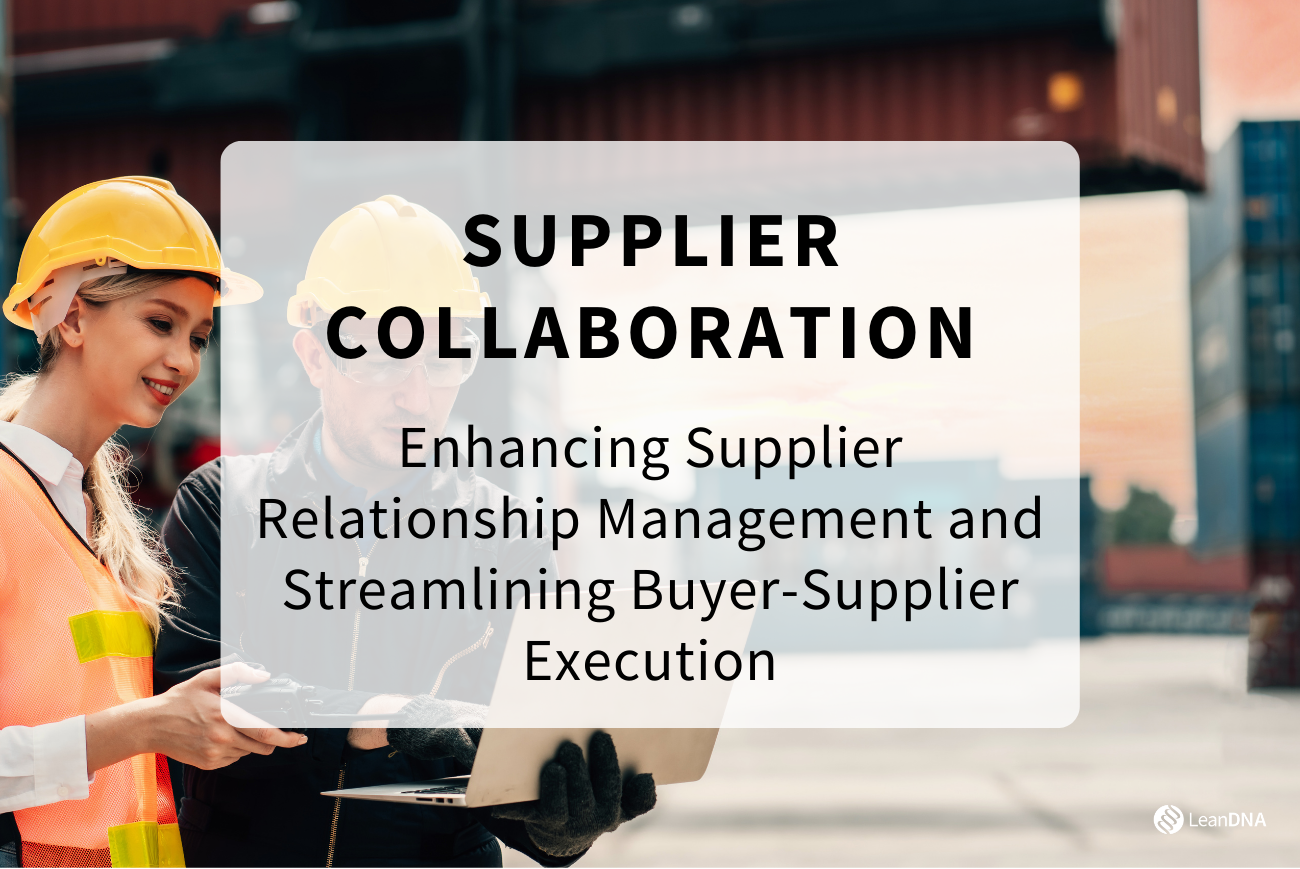
- Collaborative Supplier Coaching: Moving from static scorecards to shared problem-solving loops that provide clear signals to partners.
A Roadmap to Excellence
Transitioning to an intelligent execution layer happens in four stages:
- Crawl: Unify data to eliminate debates about report accuracy.
- Walk: Implement daily rhythms to reduce time spent on prioritization.
- Run: Scale explainable and repeatable decision-making across sites.
- Fly: Utilize predictive and assisted AI with transparent guardrails to move from reactive to proactive mitigation.
Download the Full Playbook Here
Ready to see how APEX helps leading manufacturers thrive in complexity? Schedule a walkthrough today.